October 12, 2026


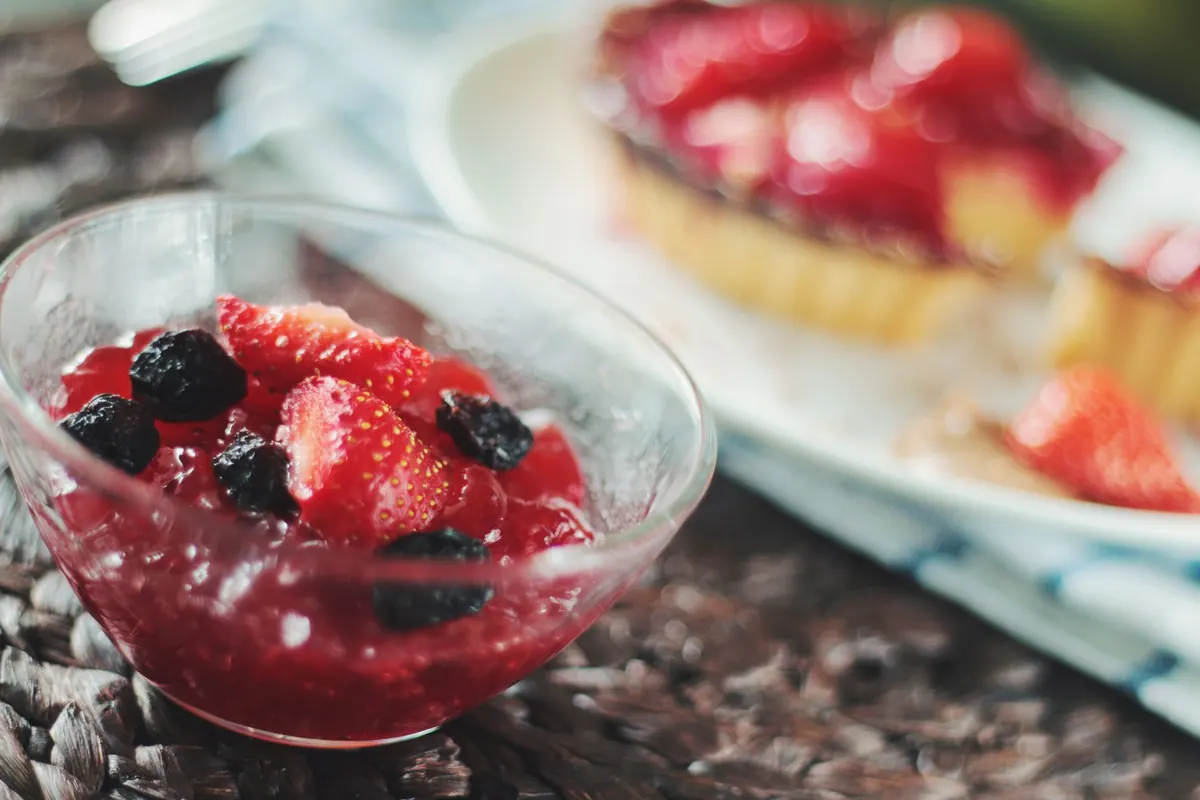
Berry season and a heatwave tend to arrive together. The fruit is at its peak, the kitchen is unbearable, and the last thing you want is the oven running for an hour. A summer berry pudding asks almost nothing of you: a short simmer on the hob, a bowl lined with bread, and a long, quiet rest in the fridge. By the next afternoon it has turned into something that looks like you fussed.
If you have never made one, this is the classic British summer pudding. Ripe berries, slightly stale bread, and time. The bread drinks up the juice until it is soft as cake, the fruit compresses into a sharp-sweet layer, and the whole thing unmoulds into a deep crimson dome.
There is no oven involved, which is the obvious appeal. There is also no gelatin, no custard to cook, and no whisking over a water bath. The set comes from two things: bread that absorbs fruit juice and a weighted chill that presses everything into a sliceable shape.
It also gets better with waiting. You can assemble it in the morning, go about your day, and serve it after dinner. If you are feeding a crowd, it scales without any real maths — a bigger bowl, more bread, more fruit. And it is a genuinely good use for the half loaf going stale on the counter.
One bowl, one saucepan, one sieve. That is the whole kit.
Use what is ripe and cheap. A mix gives you the best flavour because the tartness of raspberries and blackberries balances the sweetness of strawberries. Very soft fruit is fine here; this is one recipe where a slightly tired punnet performs perfectly. Frozen berries work out of season, but drain them well and expect more juice, so reduce the sugar slightly.
Plain white sandwich bread is the traditional choice because it turns soft and neutral. Brioche, panettone or a light sponge all work and add their own sweetness, though a dense sourdough stays chewy. Whatever you use, cut the crusts off — they never soften properly and give the pudding a tough edge.
Put the small plate on top of the pudding and weight it down with a tin of beans or a full jar. This is what turns loose fruit and bread into something you can slice. Set the bowl on a plate in case juice escapes, and refrigerate for at least 6 hours — overnight is better.
If you are short on time, four hours in the coldest part of the fridge will do, but the bread will still taste faintly of bread rather than fruit. The overnight version never does.
To serve, run a thin knife around the inside of the bowl, place a plate with a rim on top, and invert in one confident movement. Lift the bowl away and peel off the cling film. If a patch of bread looks pale, spoon over a little reserved juice and wait a minute.
A few leaves of basil or mint steeped in the warm fruit for five minutes add a fresh edge; fish them out before assembling. A tablespoon of crème de cassis or raspberry liqueur in the juice deepens the colour. For a creamier version, fold whipped cream into half the crushed fruit and layer it in the middle, though that pudding will not unmould as neatly — serve it in glasses instead.
Individual puddings made in ramekins are ideal for a small household. They chill in three hours and need no unmoulding drama, just a quick dip of the ramekin in warm water.
Serve it cold, in thick wedges, with pouring cream, crème fraîche or vanilla ice cream. The sharpness of the fruit is the point, so do not bury it under too much sweetness. A little extra sugar scattered over the top just before serving brings out the colour and shine.
Leftovers keep, covered, in the fridge for two or three days. The pudding will release more juice as it sits, which is normal — spoon it over each portion rather than tipping it away. Because it contains fresh fruit, do not leave it sitting out in warm weather for more than an hour or so; take out what you need and put the rest straight back.
Make it once and you will likely stop measuring. Taste the fruit as it simmers, adjust the sugar to what you have, and trust the overnight chill to do the rest. On a hot day, that is about as much effort as dessert deserves.
Photo: JÉSHOOTS / Pexels
Exploring sweet desserts and curious pudding recipes.
Copyright © 2026 Curious Pudding. All rights reserved. Curious Pudding.