October 12, 2026


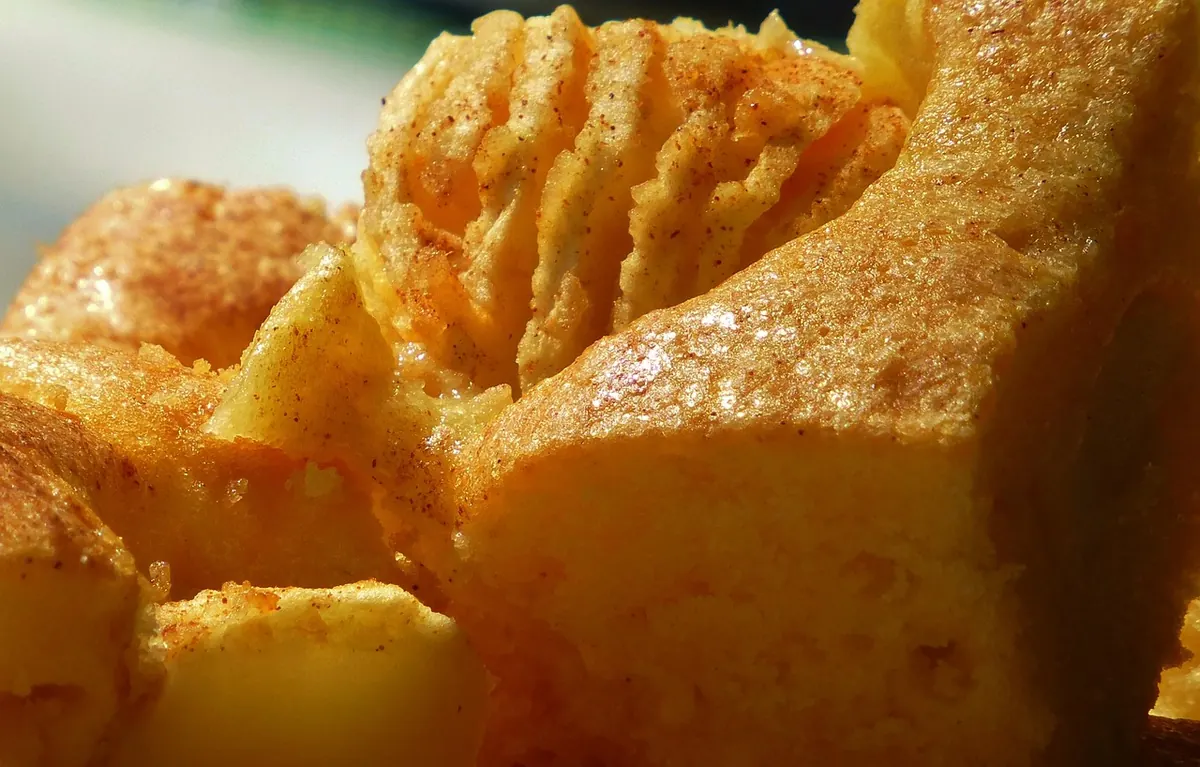
Most pudding recipes are written for four to six people, which is inconvenient when you cook for one, two, or a dozen. Doubling the milk and cornstarch looks like it should work, and sometimes it does. Other times you get soup, or a pot of paste, or a pudding that tastes sweet and flat. The arithmetic is easy. The parts that aren't arithmetic — how starch thickens, how long a bigger pot takes, how cold mutes flavor — are what decide whether the bowl is worth eating.
Pudding is a ratio food. Learn one base unit and you can build any batch size from it. Here's a reliable stovetop cornstarch pudding, written as a single unit:
That unit makes one generous serving or two small ones. Two servings means two units: 2 cups milk, 2 tablespoons cornstarch. A crowd of twelve means six units. Write the unit on your recipe card and the math stays simple no matter which direction you scale.
Weigh the starch if you can. A tablespoon of cornstarch is roughly 8 grams, and half of that is 4 grams — easy on a scale, annoying with spoons. If you're measuring by spoon, half a tablespoon is 1½ teaspoons. For a true single serving, salt becomes one scant pinch rather than half a pinch, and vanilla drops to about ¼ teaspoon.
Scaling up is looser. When you double or triple the batch, hold back about 10 percent of the cornstarch. Stir in what's left only if the pudding still looks thin after a full minute at a boil. Bigger batches lose less liquid to evaporation than you expect, and over-thickened pudding is harder to fix than thin pudding.
Sugar is a judgment call, not a formula. Large batches need proportionally less — start with about 80 to 90 percent of the calculated amount and taste. Small batches can take the full measure, because a single serving with too little sugar tastes like warm milk.
Cornstarch must be slurried in cold liquid before it goes into the pot, and it must reach a boil to thicken fully. One minute of gentle bubbling cooks out the raw, chalky taste. Whisk into the corners of the pot, where starch likes to sit and scorch.
Egg yolks need tempering: dribble a little hot milk into the beaten yolks, then return the mixture to the pot. Cook it to 170–180°F (77–82°C). Above that, yolks curdle into specks. A thermometer is worth the trouble in a double or triple batch. Keep in mind that extra yolks add richness but also loosen the set, so a yolk-heavy pudding will be softer.
Measure by weight, never by eye. Bloom the powder in cold water for five minutes before adding it to a warm base. As a rough guide, one 7-gram packet sets about 2 cups of liquid to a firm, sliceable set; use less for a soft spoonable pudding. Acidic fruits weaken the set, and fresh pineapple, kiwi, papaya, and ginger contain enzymes that stop gelatin from setting at all unless they're cooked first.
A single-unit batch thickens in 5 to 8 minutes over medium heat. A doubled batch takes 8 to 12. A big pot for a crowd can take 15 to 20 minutes or more. More volume means more mass to heat, and a deeper pot means less surface area for steam to escape.
Use a heavy-bottomed saucepan filled no more than one-third full so you have room to whisk without splashing. Medium heat is the ceiling; high heat scalds milk and burns starch on the bottom. Don't rely on the clock — judge the pudding itself. It's ready when it bubbles lazily in the center, coats the back of a spoon, and holds a brief trail when you drag a whisk through it.
A pudding that looks thin at minute six often thickens at minute eight. Give the starch its full minute at a boil before you add more.
A single cup of pudding sets in 45 to 60 minutes. A full pot may need five or six hours, or overnight, because the center stays warm long after the outside firms up. Divide large batches into two or three shallow containers rather than refrigerating one deep pot, and press plastic wrap directly onto the surface to prevent a skin from forming. Individual ramekins or small jars set fastest and make serving a crowd effortless. If you make pudding a day ahead, it will be stiffer than when it went in — loosen it with a splash of milk before serving.
Small batches are fast but unforgiving, since there's so little liquid to buffer the heat. In a large mug or a 2-cup bowl, whisk 1 tablespoon cornstarch, 1 tablespoon sugar, and a pinch of salt into 1 cup of milk until smooth. Microwave for 1 minute, whisk, then continue in 30-second bursts, whisking between each, until thick — usually 2 to 3 minutes total. Stir in ¼ teaspoon vanilla, cover, and chill for 45 minutes, or eat it warm. Microwaves vary widely, so short bursts are safer than one long run.
On the stovetop, use a small saucepan over low heat and whisk constantly for 3 to 5 minutes. Don't walk away. A single serving can go from perfect to scorched in under a minute.
Cold mutes sweetness and aroma, so a big batch that tastes perfect hot will taste dull once chilled. Season for the temperature you'll serve it at: hold back a little sugar, then taste after chilling and add vanilla, a pinch of salt, or a spoonful of something bright. If your pot is too small for the full batch, cook it in two rounds and combine them in a serving bowl — just re-whisk the first batch briefly before adding the second. For variety, make one neutral base, split it while warm, and flavor each portion separately with chocolate, citrus zest, or coffee. Melting chocolate into a warm base adds body, so keep an extra splash of milk on hand to adjust the texture.
Write your results on the recipe card. "Doubled: 10 tablespoons starch, 12 minutes, chilled 5 hours" is more useful than any general rule, because your pot, your stove, and your milk all behave a little differently. Taste at three points — after thickening, after chilling, and just before serving — and adjust with small additions. Once you know your base ratio and how your equipment responds, going from one serving to twenty stops being a gamble and becomes the easy part.
Photo: Monfocus / Pixabay
Exploring sweet desserts and curious pudding recipes.
Copyright © 2026 Curious Pudding. All rights reserved. Curious Pudding.