October 12, 2026


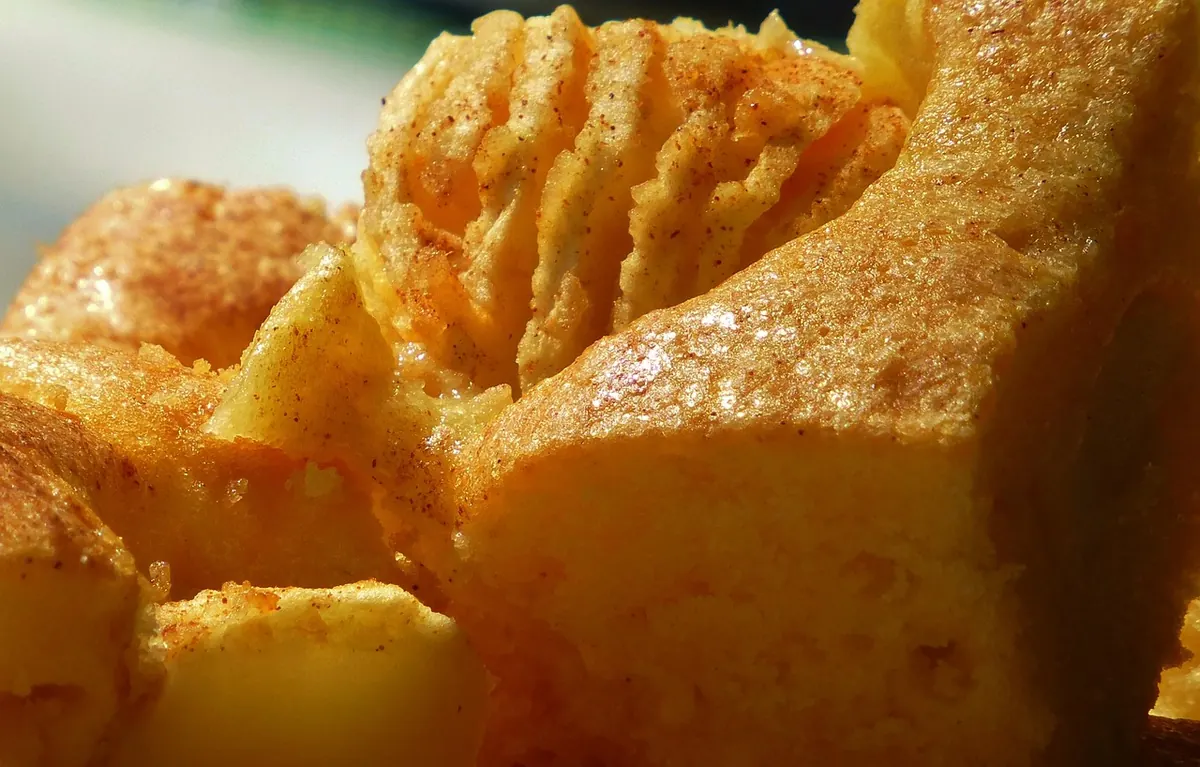
A bowl of pudding that never set is one of the quietest disappointments in the kitchen. You whisked, you waited, you chilled it for hours, and now you are looking at chocolate soup. Before you dump it down the sink, know this: runny pudding is usually a temperature problem or a starch problem, and both are fixable. Sometimes the rescue even turns into a dessert you like better than the original.
Work through these five methods in order. The first two keep the pudding as pudding. The last three change its personality, which is often the smarter move.
Almost every failed pudding comes down to one of a handful of causes. Cornstarch and tapioca starch need to reach a real simmer to gelatinize, and they need about a minute at that temperature to finish the job. If your mixture only got steamy and never bubbled, the starch is still sitting there doing nothing.
Fat and sugar are the other culprits. Heavy cream, butter, egg yolks and melted chocolate all dilute a starch gel, so a pudding loaded with them needs more starch or more cooking time than a plain one. Sugar competes with starch for water, too, so a very sweet pudding sets softer. Acid from citrus or fruit juice can also weaken a starch gel if it is cooked in for a long time.
And then there is the most common false alarm: cornstarch pudding looks thin while it is hot. It thickens considerably as it cools. Cover the surface with plastic wrap and refrigerate for at least four hours before you decide anything is wrong.
If you never saw a true simmer, this is the fix. Pour the pudding back into a heavy saucepan over medium-low heat. Whisk constantly, reaching into the corners of the pan so nothing scorches, and bring it to a gentle bubble. Let it bubble for a full minute, still whisking.
You will feel it thicken against the whisk, sometimes within thirty seconds. Once it coats the back of a spoon and holds a line when you draw a finger through it, pull it off the heat and chill it again. A minute of simmering also cooks out the raw, chalky taste of underdone starch, which is why you should not rush this step.
If the pudding already simmered properly and still will not hold, it simply does not have enough starch. Make a slurry of one tablespoon cornstarch and two tablespoons cold water or milk for every cup of pudding. Cold liquid is essential; adding dry starch to a hot mixture gives you lumps.
Bring the pudding to a gentle simmer, whisk the slurry in a little at a time, and cook for one to two minutes. Taste a small spoonful after it cools slightly. If you can detect a starchy, pasty flavor, it needs another thirty seconds on the heat. Tapioca starch works the same way and gives a glossier, slightly stretchy set. All-purpose flour will thicken it too, but use two tablespoons per cup and cook for two to three minutes, and expect a slightly heavier texture.
When the pudding is close but refuses to hold a spoon, gelatin gives you a soft, silky set that still reads as pudding rather than jelly. For every two cups of pudding, bloom one teaspoon of powdered gelatin in two tablespoons of cold water for five minutes, then whisk it into the pudding while the pudding is warm. Do not let it boil after the gelatin goes in, since high heat weakens its setting power. Chill for at least four hours.
Keep in mind that fresh pineapple, kiwi, papaya and ginger contain enzymes that prevent gelatin from setting. If your pudding contains any of them, use agar instead. Agar needs one teaspoon per cup, must be boiled for one to two minutes to activate, and sets firmer and more brittle than gelatin. It also holds at room temperature, which makes it handy for a pudding you plan to serve on a buffet.
Egg yolks add richness and body at the same time. Use one yolk per cup of pudding. Whisk the yolks in a bowl, then slowly ladle in a cup of the warm pudding while whisking constantly. This raises the temperature of the eggs gradually so they do not scramble.
Pour the mixture back into the pan and cook over medium-low heat, stirring the whole time, until it thickens enough to coat a spoon and reaches about 170°F to 180°F. Never let it boil. If you are working with chocolate pudding, stir in an ounce or two of chopped chocolate at the end; it thickens the pudding further as it cools.
Sometimes the texture is beyond saving, or you simply do not want to cook it again. A loose pudding is still a perfectly good sauce or frozen treat. Try one of these:
Measure starch with proper measuring spoons and level the top with a knife. Whisk the starch into the sugar before it meets the liquid, and always make a cold slurry when adding starch to something hot. Bring the mixture to a genuine simmer and hold it there for a full minute. If you cut back on sugar or use extra cream and chocolate, add a little more starch to compensate.
Chill puddings overnight when you can. Four hours is the minimum; a full night gives the starch time to build a firm, even structure. Press plastic wrap directly onto the surface to prevent a skin, not to speed setting.
One safety note worth repeating: if the pudding sat at room temperature for more than two hours, or one hour on a hot day, throw it out rather than trying to rescue it. Bacteria do not care how good the pudding tastes.
Photo: dungthuyvunguyen / Pixabay
Exploring sweet desserts and curious pudding recipes.
Copyright © 2026 Curious Pudding. All rights reserved. Curious Pudding.