October 12, 2026


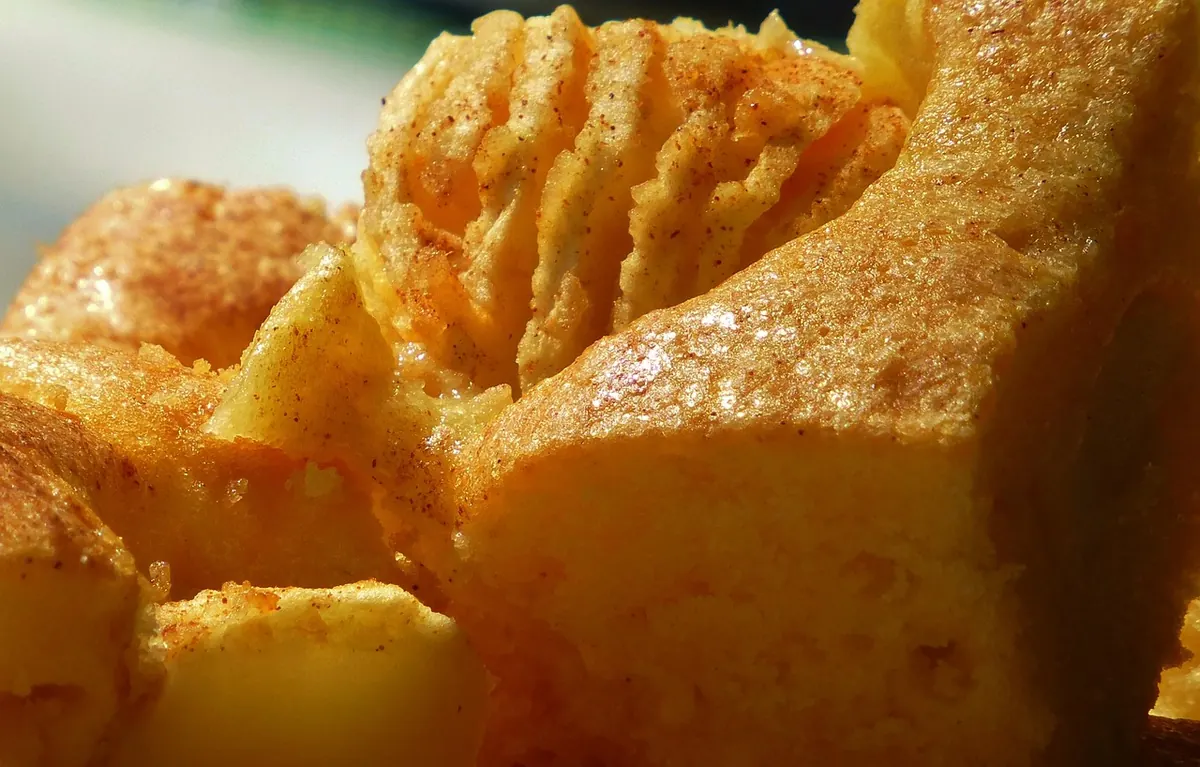
Rice pudding lives on a knife's edge between creamy and gluey. When it goes wrong, it rarely tastes bad — it just feels heavy, sticky, and dense, the grains collapsed into a single spoonable mass. The causes are predictable: the wrong grain, too much loose starch, too much heat, too much stirring, or a pot pulled off the stove a few minutes too late. Fix those, and the same recipe turns silky.
Short and medium-grain rice are the right tools here. Arborio, sushi rice, bomba, and Carolina Gold have a starch profile that softens into cream while the grains keep some shape. Long-grain varieties like basmati and jasmine stay separate and firm, which sounds good until you cook them long enough to make pudding — then they break down unevenly and turn pasty. Instant rice is worse; it collapses before the milk has time to take on flavor.
If long-grain is all you have, par-cook it first: simmer it in water for 8-10 minutes, drain, then finish it in milk. You lose a little creaminess but avoid glue.
Surface starch is both the hero and the villain. Some of it is what thickens the milk into something luxurious; too much of it turns the pot into paste. A quick rinse finds the middle ground.
Already cooked rice works too, but it needs a gentler hand: warm it in milk over low heat for 10-15 minutes rather than simmering it like raw rice.
Milk scorches before water boils, and a rolling boil is rough on fragile grains. The starch granules burst open, the proteins in the milk tighten, and you end up with a sticky, slightly grainy base. Use a heavy-bottomed saucepan, keep the heat at a bare simmer, and add the milk in two or three additions, stirring between each one. A good starting ratio for short-grain rice is 1 cup rice to 4-5 cups milk, with extra milk warm on the side.
If the bottom scorches, do not scrape it. Pour the pudding into a clean pot and leave the browned layer behind. One scrape and the whole batch tastes burnt.
Stirring feels productive. Past a point, it works against you. Every pass of the spoon knocks starch off the grains and breaks them down, which is exactly how you get a pot of edible glue. Early on, stir every 5-7 minutes. In the last 10 minutes, when the mixture thickens, stir more often — every 2-3 minutes — and scrape the bottom and corners so nothing catches.
Think of it as folding, not whipping. A few slow turns with a silicone spatula or wooden spoon are enough.
Sugar added at the start raises the boiling point, slows the rice's softening, and stretches out the cooking time — which means more chances for the grains to collapse. Stir it in during the last 10 minutes, after the rice is tender.
Rice already brings its own thickener. Adding cornstarch or flour on top of that is how puddings turn to paste. If you want a richer, custardy version, temper two beaten eggs with a ladle of hot pudding, then stir them back in off the heat and cook gently until it thickens — never let it boil. A tablespoon of cornstarch per cup of milk is plenty if you use it at all. Save the vanilla, cinnamon, zest, and a pinch of salt for the end, and finish with a knob of butter for gloss.
Rice pudding keeps thickening after it leaves the heat. If it looks perfect in the pot, it will be stiff by the time it reaches the bowl. Pull it while it still looks a little loose — like a runny porridge — with grains that are tender but still have a faint bite. Cover it, take it off the heat, and let it rest 10-15 minutes. That rest finishes the cooking and lets the texture settle.
The refrigerator makes it worse. Chilled rice pudding sets firm, which is normal, not a failure. Reheat it gently with a splash of milk, adding more as needed, rather than eating it cold and dense.
Before you write off the pot, try this sequence:
Next time, stack the odds in your favor: short-grain rice, a quick rinse, a heavy pan, a bare simmer, milk added in stages, sugar at the end, and a rest before serving. Rice pudding rewards patience more than technique — you are not trying to hurry the rice into softening, just letting it get there on its own.
Photo: Gundula Vogel / Pexels
Exploring sweet desserts and curious pudding recipes.
Copyright © 2026 Curious Pudding. All rights reserved. Curious Pudding.