November 23, 2026


Walk into any casino or scroll through an online slots lobby and you'll be hit with a wall of numbers: 96.2% RTP, high volatility, max win 5,000x. Most players nod and click spin anyway. That's fine — slots are entertainment, not a spreadsheet. But if you're going to spend real money on them, knowing what those numbers actually mean changes the way you pick games, manage your bankroll, and judge whether a session was unlucky or just mathematically normal.
RTP stands for Return to Player. A slot with 96.5% RTP is theoretically programmed to pay back €96.50 for every €100 wagered — over millions of spins, not over your Tuesday night session. This is the single most misunderstood figure in iGaming. Players see 97% and assume they'll lose 3%, so they should win most sessions. That's not how variance works. You could lose your entire bankroll on a 97% RTP game and never hit a bonus feature, because RTP is a long-term average calculated across an enormous sample.
What RTP does give you is a comparison tool. A 96% slot versus a 94% slot is a meaningful difference over hundreds of sessions. Here's a rough guide to what's typical:
One catch: some providers let casinos choose from multiple RTP versions of the same game. A Pragmatic slot might be available at 96.5% in one jurisdiction and 94% in another. If a casino doesn't list the RTP on the game info screen, that's a minor red flag.
If RTP is the destination, volatility is the road. High-volatility slots pay rarely but can pay big — think Money Train 3 or San Quentin. Low-volatility slots pay small amounts frequently, keeping your balance steady. Same RTP, completely different experience. L'Avenue Dubai covers this in more detail.
This matters more than RTP for session planning. Say you have €100 and want two hours of play:
The practical tip: match volatility to bankroll size and patience. If your bankroll is 50x your bet size, high volatility is aggressive. If it's 200x, you can ride out the dry spells.
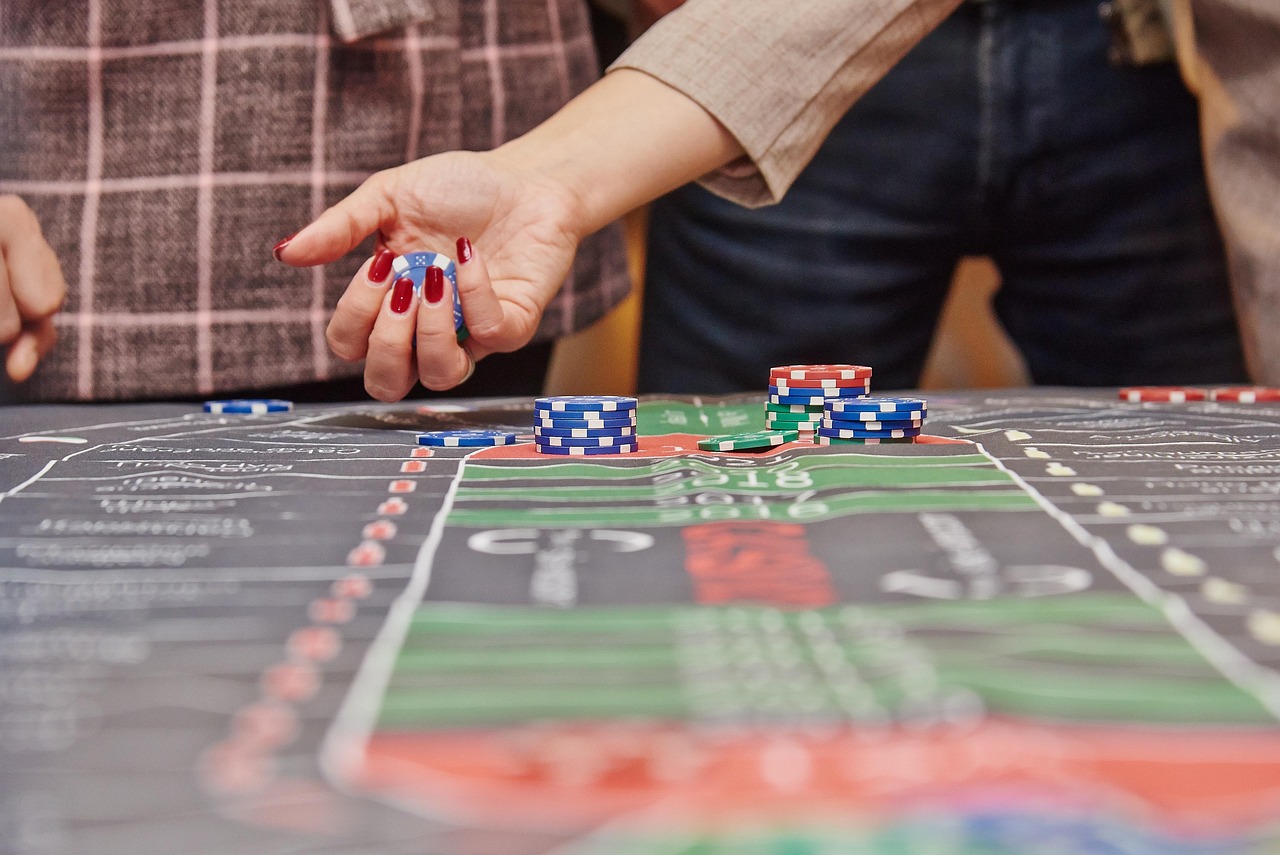
Slots have a fixed house edge baked into every spin. Poker doesn't work that way. In poker, you're not playing against the house — you're playing against other players, and the casino takes a rake (typically 2.5–10% of each pot, capped). A skilled poker player can have a positive expected value over time; a slots player never can, no matter how many strategies they read.
That's not a knock on slots. It's just a different product. Poker is a skill game with a long learning curve — position, pot odds, ranges, bet sizing. Slots are pure chance with no decisions beyond game selection and bet size. Confusing the two leads to bad habits, like chasing losses on slots as if a hot streak is "due."
If you're moving between the two, treat your poker bankroll and slots bankroll as separate. The mental accounting keeps you honest.
If you want the lowest house edge in a casino, don't play slots. Here's where the real math lives:
None of this means slots are a bad choice. They're the most popular casino product on earth for a reason: massive upside, no decisions, and the thrill of a feature trigger. But knowing the numbers stops you from wondering why you can't grind out a profit like a blackjack card counter.
Most bankroll advice is vague nonsense like "never bet more than you can afford." True but useless. Here's something more concrete:
One more thing: track your sessions. Not obsessively, but a simple note of deposits, withdrawals, and hours played gives you a reality check that memory never will. Most players overestimate their wins and underestimate their losses by a wide margin.
iGaming isn't rigged against you in the way conspiracy forums claim — but it is designed to make money for the operator, and the math always points that way over time. That's not a reason to avoid it. It's a reason to play deliberately: pick games with decent RTP, match volatility to your bankroll, know the house edge you're up against, and treat the whole thing as paid entertainment rather than an income strategy. The players who enjoy casino games the most are the ones who understand the math and stop expecting it to bend in their favor. Learn the numbers, set the limits, and let the spins fall where they may.
Exploring sweet desserts and curious pudding recipes.
Copyright © 2026 Curious Pudding. All rights reserved. Curious Pudding.